



- Your cart is empty Browse Shop
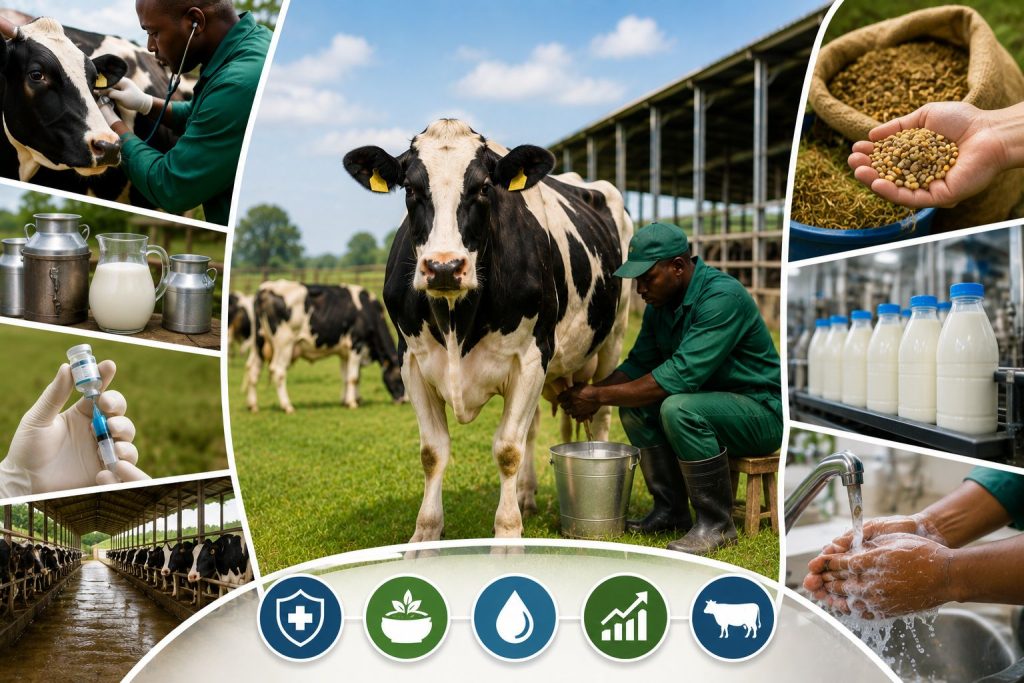
Dairy farming is one of the most rewarding agricultural enterprises, providing a steady source of income through the sale of milk and dairy products. However, profitability in dairy farming depends on more than owning high-producing cows. Healthy animals are the foundation of a successful dairy business.
Diseases, poor nutrition, fertility problems, and inadequate herd management can significantly reduce milk production and increase operational costs. On the other hand, healthy cows produce more milk, reproduce efficiently, require fewer medical treatments, and remain productive for many years.
At Davetis Enterprises Limited, we understand that animal health is directly linked to farm profitability. Through quality veterinary vaccines, pharmaceuticals, nutritional products, and animal health solutions, we help dairy farmers maximize productivity while protecting the health of their herds.
This guide explains how better animal health contributes to a more profitable dairy farm.
Why Animal Health Matters in Dairy Farming
Every healthy cow contributes to the success of a dairy enterprise.
Healthy dairy cattle:
- Produce more milk.
- Have longer productive lives.
- Conceive more easily.
- Require fewer veterinary treatments.
- Produce healthier calves.
- Convert feed more efficiently.
- Generate greater profits.
Poor animal health leads to:
- Reduced milk yield.
- High treatment costs.
- Infertility.
- Increased mortality.
- Early culling.
- Lower farm income.
Investing in preventive healthcare is one of the best decisions a dairy farmer can make.
1. Vaccination: Protecting Your Herd from Costly Diseases
Vaccination is the first line of defense against infectious diseases that can affect dairy cattle. It helps the immune system recognize harmful pathogens before they cause illness, reducing the likelihood of disease outbreaks and production losses.
Why Vaccination Is Important
A well-planned vaccination program:
- Prevents disease outbreaks.
- Reduces calf mortality.
- Improves milk production.
- Protects pregnant cows.
- Reduces veterinary treatment costs.
- Improves overall herd immunity.
Vaccination also minimizes the spread of diseases between neighboring farms.
Common Diseases Vaccination Helps Prevent
Depending on regional disease risks and veterinary recommendations, dairy farmers may vaccinate against diseases such as:
- Foot and Mouth Disease (FMD)
- Lumpy Skin Disease (LSD)
- Black Quarter (Blackleg)
- Anthrax
- Brucellosis
- Rift Valley Fever (where applicable)
Farmers should work closely with veterinarians to develop a vaccination program that suits their herd and local disease conditions.
Vaccination Best Practices
To ensure vaccines remain effective:
- Purchase vaccines from reputable suppliers.
- Maintain the cold chain during transport and storage.
- Follow the manufacturer’s instructions.
- Vaccinate healthy animals.
- Keep accurate vaccination records.
2. Proper Nutrition: Fueling Milk Production
Nutrition is one of the biggest factors influencing dairy performance. A cow cannot produce high volumes of quality milk without receiving adequate nutrients.
A balanced diet provides:
- Energy for milk production.
- Protein for muscle maintenance and milk synthesis.
- Vitamins and minerals for immune function and fertility.
- Clean water for digestion and milk production.
Essential Nutrients for Dairy Cows
Energy
Energy-rich feeds support:
- Milk production.
- Body maintenance.
- Reproductive performance.
Common sources include maize, silage, molasses, and high-quality forage.
Protein
Protein is essential for:
- Milk production.
- Tissue repair.
- Growth.
- Calf development.
Sources include soybean meal, cottonseed cake, sunflower meal, and legumes.
Vitamins and Minerals
Essential vitamins and minerals help maintain:
- Healthy bones.
- Strong immunity.
- Fertility.
- Proper metabolism.
- Milk quality.
Calcium, phosphorus, magnesium, selenium, zinc, and vitamins A, D, and E are especially important for dairy cattle.
Feed Supplements
Feed supplements help bridge nutritional gaps, particularly during:
- Early lactation.
- Pregnancy.
- Heat stress.
- Illness.
- Poor pasture conditions.
They improve:
- Milk yield.
- Fertility.
- Immune response.
- Feed efficiency.
3. Mastitis Prevention: Protecting Milk Quality and Production
Mastitis is one of the most common and costly diseases affecting dairy cows. It is an inflammation of the udder, usually caused by bacterial infection, and can significantly reduce milk yield and quality.
Signs of Mastitis
Watch for:
- Swollen or painful udder.
- Hot or hard quarters.
- Abnormal milk with clots, flakes, or watery appearance.
- Reduced milk production.
- Fever or general illness in severe cases.
Early detection is essential to prevent permanent damage to the udder.
Economic Impact of Mastitis
Mastitis can lead to:
- Lower milk production.
- Poor milk quality.
- Increased treatment costs.
- Milk discarded during treatment and withdrawal periods.
- Premature culling of cows.
Mastitis Prevention
Good milking hygiene is the key to preventing mastitis.
Farmers should:
- Wash and dry udders before milking.
- Use clean towels for each cow.
- Disinfect teats before and after milking with an approved teat dip.
- Wear clean gloves during milking.
- Maintain clean milking equipment.
- Milk infected cows last to prevent spreading bacteria.
- Provide clean, dry bedding.
Regular maintenance of milking machines is equally important, as damaged liners or incorrect vacuum settings can increase the risk of infection.
4. Fertility Management: Maximizing Reproductive Performance
Good fertility is essential for maintaining consistent milk production. Cows need to calve regularly to remain productive throughout their lives.
Poor fertility increases:
- Calving intervals.
- Breeding costs.
- Replacement costs.
- Production losses.
Factors Affecting Fertility
Several factors influence reproductive performance, including:
- Balanced nutrition.
- Body condition.
- Disease control.
- Heat detection.
- Proper breeding management.
- Mineral supplementation.
Signs of Healthy Fertility
Healthy cows typically:
- Show regular heat cycles.
- Conceive within a few breeding attempts.
- Maintain pregnancy successfully.
- Deliver healthy calves.
- Recover quickly after calving.
Improving Fertility
To enhance reproductive performance:
- Feed a balanced diet.
- Maintain an ideal body condition score.
- Vaccinate against reproductive diseases where recommended.
- Provide adequate minerals such as selenium, phosphorus, and zinc.
- Observe cows closely for signs of heat.
- Work with qualified veterinarians or artificial insemination technicians.
5. Regular Health Monitoring: Detect Problems Early
Routine health monitoring helps identify diseases before they become serious.
Early intervention reduces treatment costs and minimizes production losses.
Daily Observation
Farmers should inspect their cows every day for signs such as:
- Reduced appetite.
- Changes in milk yield.
- Lameness.
- Coughing.
- Diarrhea.
- Swollen joints.
- Weight loss.
- Abnormal behavior.
Prompt action prevents small problems from becoming major outbreaks.
Veterinary Checkups
Regular veterinary visits help with:
- Pregnancy diagnosis.
- Vaccination schedules.
- Parasite control.
- Disease diagnosis.
- Laboratory testing.
- Herd health planning.
Preventive veterinary care is more economical than emergency treatment.
Record Keeping
Good records are essential for effective herd management.
Track:
- Milk production.
- Breeding dates.
- Calving records.
- Vaccinations.
- Treatments.
- Disease history.
- Fertility performance.
- Body condition scores.
These records help identify trends and improve decision-making.
Parasite Control
Internal and external parasites reduce milk production and weaken the immune system.
Routine parasite control should include:
- Strategic deworming.
- Tick control.
- Fly management.
- Pasture rotation where appropriate.
Always use quality parasite control products and follow veterinary guidance.
Housing and Animal Welfare
Comfortable cows are more productive cows.
Provide:
- Clean, dry housing.
- Adequate ventilation.
- Shade from excessive heat.
- Comfortable resting areas.
- Enough feeding and watering space.
Reducing stress improves milk production, fertility, and disease resistance.
Common Mistakes Dairy Farmers Should Avoid
Avoid these common management errors:
- Skipping vaccination schedules.
- Feeding poor-quality forage.
- Ignoring mineral supplementation.
- Delaying treatment of sick animals.
- Poor milking hygiene.
- Overcrowding cows.
- Ignoring signs of heat.
- Poor record keeping.
- Purchasing animals without quarantine.
- Neglecting routine veterinary checkups.
Consistent attention to herd health prevents costly problems.
How Davetis Enterprises Limited Supports Dairy Farmers
At Davetis Enterprises Limited, we partner with dairy farmers by supplying high-quality veterinary vaccines, pharmaceuticals, feed supplements, nutritional products, disinfectants, and diagnostic solutions sourced from trusted manufacturers.
Serving Kenya, Uganda, and Tanzania, we are committed to helping farmers improve herd health, increase milk production, and build sustainable, profitable dairy businesses through reliable products and expert support.
Conclusion
Building a profitable dairy farm starts with healthy animals. Vaccination protects cattle from infectious diseases, balanced nutrition fuels milk production, mastitis prevention preserves udder health, fertility management ensures consistent calving, and regular health monitoring allows farmers to detect and address problems before they become costly.
By combining preventive healthcare with sound management practices, dairy farmers can reduce production losses, improve milk quality, extend the productive life of their cows, and increase profitability.
Investing in animal health is not an expense—it is one of the most valuable investments a dairy farmer can make.
Contact Davetis Enterprises Limited
Looking for reliable veterinary products and nutritional solutions for your dairy farm?
Davetis Enterprises Limited supplies quality vaccines, pharmaceuticals, feed supplements, minerals, diagnostic products, and animal health solutions to support healthier dairy herds across East Africa.
Contact us today and let us help you build a healthier, more productive, and more profitable dairy farm.