



- Your cart is empty Browse Shop
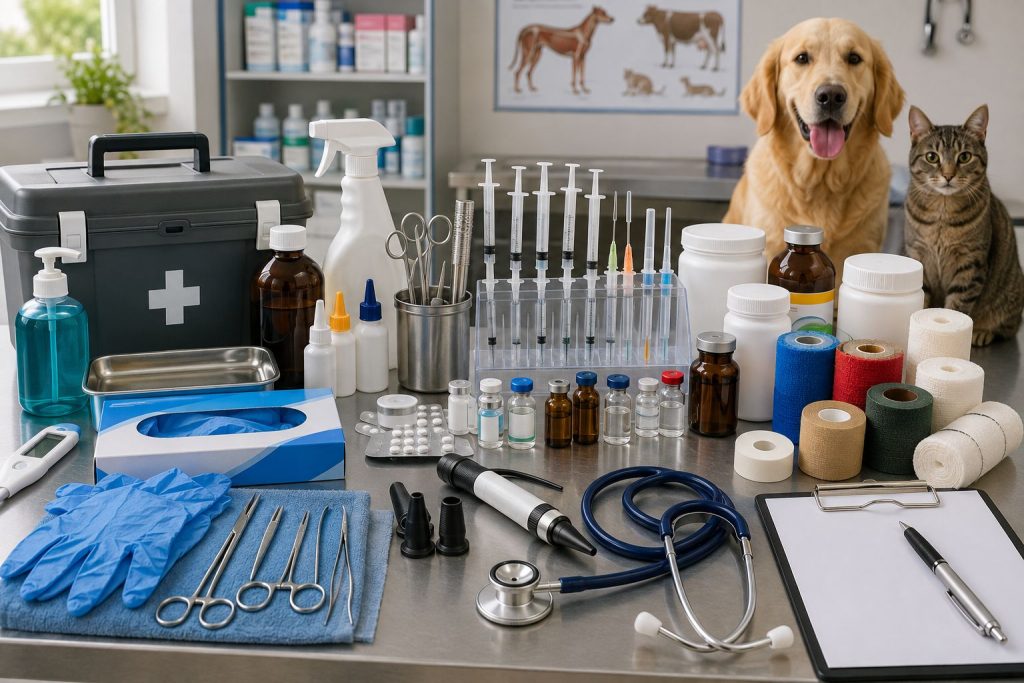
A well-equipped veterinary clinic is the cornerstone of effective animal healthcare. Whether serving companion animals, poultry, dairy cattle, beef cattle, pigs, sheep, goats, or other livestock, veterinary professionals rely on quality equipment and supplies to diagnose illnesses, administer treatments, perform surgeries, and prevent the spread of diseases.
The availability of reliable veterinary supplies not only improves the quality of care but also enhances efficiency, safety, and client confidence. Clinics that maintain adequate stock levels are better prepared to respond to routine consultations, emergencies, disease outbreaks, and preventive healthcare programs.
At Davetis Enterprises Limited, we understand the critical role that quality veterinary supplies play in supporting veterinarians and animal health professionals. We supply a comprehensive range of veterinary products sourced from trusted manufacturers, helping clinics across Kenya, Uganda, and Tanzania deliver exceptional animal healthcare.
This article highlights the essential veterinary supplies every clinic should have.
Why Quality Veterinary Supplies Matter
Every veterinary procedure depends on having the right tools available.
Quality veterinary supplies help:
- Improve diagnosis accuracy.
- Increase treatment success.
- Enhance surgical safety.
- Prevent disease transmission.
- Improve workflow efficiency.
- Protect veterinary staff.
- Increase client confidence.
- Improve animal welfare.
Using poor-quality or inadequate equipment can compromise patient care and increase operational costs.
1. Syringes and Needles
Syringes and needles are among the most frequently used items in any veterinary clinic. They are essential for administering medications, vaccines, fluids, and anesthetics, as well as collecting blood samples.
Common Uses
Veterinarians use syringes to:
- Administer vaccines.
- Inject antibiotics.
- Deliver pain medication.
- Provide vitamin supplements.
- Collect blood samples.
- Administer intravenous fluids.
- Deliver anesthetic drugs.
Types of Syringes
Clinics should stock various syringe sizes, including:
- 1 ml
- 2 ml
- 5 ml
- 10 ml
- 20 ml
- 50 ml
Different procedures require different syringe capacities.
Needles
Needles should also be available in multiple gauges and lengths to accommodate different animal species and procedures.
Examples include:
- Small needles for poultry and pets.
- Medium needles for sheep and goats.
- Larger needles for cattle and horses.
Best Practices
Always:
- Use sterile disposable syringes whenever possible.
- Never reuse disposable needles between animals unless advised under specific veterinary protocols.
- Dispose of used needles safely in approved sharps containers.
2. Surgical Gloves
Personal protective equipment is essential for maintaining hygiene and preventing cross-contamination during examinations and surgical procedures.
Surgical gloves protect:
- Veterinary professionals.
- Animals.
- Surgical wounds.
- Laboratory samples.
Types of Gloves
Clinics should maintain adequate supplies of:
Sterile Surgical Gloves
Used for:
- Surgical procedures.
- Sterile wound management.
- Obstetrical interventions.
Examination Gloves
Suitable for:
- Physical examinations.
- Sample collection.
- Routine treatments.
- Cleaning procedures.
Available in:
- Latex
- Nitrile
- Vinyl
Nitrile gloves are often preferred because they are durable and suitable for individuals with latex allergies.
3. Sutures
Sutures are indispensable for wound closure and surgical procedures. They help promote proper healing, reduce infection risk, and restore tissue integrity.
Common Uses
Sutures are used for:
- Surgical incisions.
- Traumatic wounds.
- Caesarean sections.
- Soft tissue repair.
- Orthopedic procedures.
- Emergency surgeries.
Types of Sutures
Absorbable Sutures
These dissolve naturally within the body and are commonly used for internal tissues.
Examples include:
- Polyglycolic acid
- Polyglactin
- Catgut
Non-Absorbable Sutures
These require removal after healing and are often used for skin closure.
Examples include:
- Nylon
- Silk
- Polypropylene
Suture Accessories
Clinics should also maintain:
- Needle holders.
- Suture scissors.
- Tissue forceps.
- Scalpel blades.
4. Diagnostic Equipment
Accurate diagnosis is the foundation of effective veterinary care.
Diagnostic equipment allows veterinarians to identify diseases early, monitor treatment progress, and improve patient outcomes.
Stethoscopes
A veterinary stethoscope is essential for examining:
- Heart sounds.
- Lung function.
- Respiratory abnormalities.
- Digestive activity.
Thermometers
Body temperature is a critical indicator of animal health.
Digital veterinary thermometers provide quick and accurate readings.
Weighing Scales
Accurate body weight measurements are necessary for:
- Drug dosage calculations.
- Nutritional assessments.
- Growth monitoring.
Diagnostic Test Kits
Rapid diagnostic kits assist in detecting:
- Infectious diseases.
- Pregnancy.
- Blood parasites.
- Viral infections.
- Bacterial infections.
Laboratory Equipment
Many clinics also benefit from:
- Microscopes.
- Centrifuges.
- Blood analyzers.
- Urinalysis equipment.
- Sample collection kits.
Laboratory diagnostics improve treatment accuracy and support disease surveillance.
5. Disinfectants and Infection Control Products
Maintaining a clean clinical environment is essential for preventing disease transmission.
Effective disinfection protects:
- Animals.
- Veterinary staff.
- Visitors.
- Medical equipment.
Common Applications
Disinfectants are used to clean:
- Consultation rooms.
- Surgical theatres.
- Examination tables.
- Floors.
- Animal cages.
- Kennels.
- Equipment.
- Vehicles.
Common Disinfectant Types
Clinics should stock approved veterinary disinfectants suitable for:
- General surface cleaning.
- Surgical preparation.
- Instrument disinfection.
- Footbaths.
- Animal housing sanitation.
Always follow the manufacturer’s instructions for dilution, contact time, and safe handling.
Hand Hygiene
Proper hand hygiene remains one of the simplest and most effective infection prevention measures.
Clinics should provide:
- Handwashing stations.
- Alcohol-based hand sanitizers.
- Disposable towels.
- Soap dispensers.
6. Examination Tools
Every veterinary consultation begins with a thorough physical examination.
Reliable examination tools enable veterinarians to assess animal health quickly and accurately.
Essential Examination Instruments
Every clinic should have:
- Stethoscopes.
- Thermometers.
- Otoscopes (ear examination).
- Ophthalmoscopes (eye examination).
- Penlights.
- Reflex hammers.
- Measuring tapes.
- Hoof testers (for livestock and horses).
Animal Restraint Equipment
Safe handling protects both animals and veterinary staff.
Useful restraint equipment includes:
- Muzzles.
- Catch poles.
- Halters.
- Ropes.
- Animal crushes.
- Examination tables.
Proper restraint minimizes stress and reduces injury risk during examinations and procedures.
Additional Essential Veterinary Supplies
Beyond the basics, a fully equipped clinic should also stock:
Wound Care Supplies
- Bandages
- Cotton wool
- Gauze
- Adhesive tape
- Antiseptic solutions
- Wound dressings
Intravenous Therapy Equipment
- IV catheters
- Infusion sets
- Fluid bags
- Extension tubing
Surgical Instruments
- Scalpels
- Forceps
- Scissors
- Hemostats
- Needle holders
- Retractors
Sample Collection Materials
- Blood collection tubes
- Swabs
- Urine containers
- Biopsy instruments
Emergency Supplies
- Oxygen equipment
- Emergency drugs
- Resuscitation equipment
- Airway management devices
Being prepared for emergencies can save lives.
Proper Inventory Management
Maintaining adequate stock levels is just as important as having the right supplies.
Clinics should:
- Monitor inventory regularly.
- Rotate stock using the “first-expiry, first-out” principle.
- Store products according to manufacturer recommendations.
- Replace damaged equipment promptly.
- Maintain emergency reserves of critical supplies.
Good inventory management minimizes waste and ensures uninterrupted patient care.
Choosing a Reliable Veterinary Supplier
Purchasing veterinary supplies from trusted distributors helps ensure:
- Genuine products.
- Regulatory compliance.
- Competitive pricing.
- Consistent availability.
- Technical support.
- Timely deliveries.
Reliable suppliers also provide guidance on product selection and proper usage.
How Davetis Enterprises Limited Supports Veterinary Clinics
At Davetis Enterprises Limited, we partner with veterinary clinics, hospitals, research institutions, agrovets, and livestock professionals by supplying high-quality veterinary products from trusted global manufacturers.
Our product range includes:
- Veterinary vaccines
- Pharmaceuticals
- Syringes and needles
- Surgical gloves
- Sutures
- Diagnostic equipment
- Laboratory reagents
- Veterinary instruments
- Disinfectants
- Animal nutrition products
- Hospital consumables
Serving customers across Kenya, Uganda, and Tanzania, we are committed to helping veterinary professionals deliver exceptional animal healthcare through reliable products, professional support, and timely distribution.
Conclusion
Every successful veterinary clinic depends on quality equipment and dependable medical supplies. From syringes and surgical gloves to diagnostic equipment, disinfectants, sutures, and examination tools, each item plays a vital role in delivering safe, effective, and efficient animal healthcare.
Investing in high-quality veterinary supplies improves diagnostic accuracy, enhances treatment outcomes, protects both patients and staff, and strengthens the reputation of the clinic. With proper inventory management and a trusted supply partner, veterinary professionals can focus on what matters most—keeping animals healthy.
Contact Davetis Enterprises Limited
Looking for a dependable supplier of veterinary equipment and clinic consumables?
Davetis Enterprises Limited offers a comprehensive range of veterinary supplies, pharmaceuticals, diagnostic equipment, laboratory products, and animal health solutions to support veterinary clinics and livestock professionals throughout East Africa.
Partner with us today for quality products, reliable service, and a commitment to advancing animal healthcare.