



- Your cart is empty Browse Shop
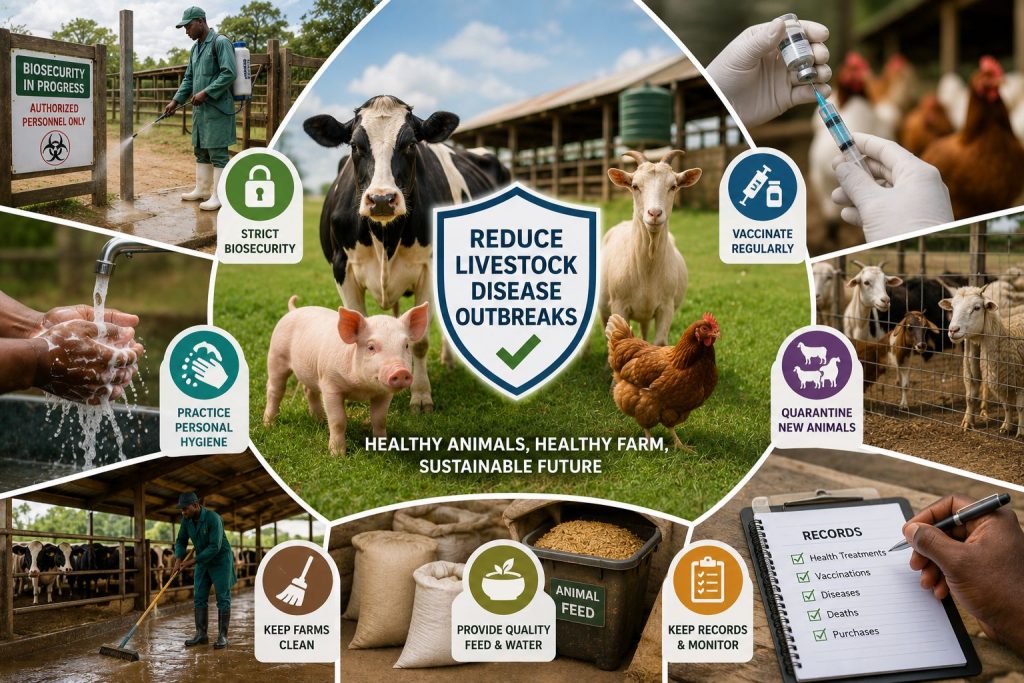
Livestock diseases remain one of the greatest challenges facing farmers across Africa. Disease outbreaks can spread rapidly through a herd or flock, leading to reduced productivity, high mortality rates, increased treatment costs, and significant economic losses.
Whether you raise cattle, poultry, pigs, goats, sheep, or other livestock, preventing diseases is far more effective and affordable than treating them after they occur.
Disease prevention requires a proactive approach that combines vaccination, parasite control, proper nutrition, biosecurity, and routine veterinary care. Together, these practices strengthen animal health, reduce production losses, and improve overall farm profitability.
At Davetis Enterprises Limited, we are committed to helping farmers protect their livestock through quality veterinary products, animal health solutions, and professional support. This guide outlines practical measures every farmer should adopt to reduce the risk of disease outbreaks.
Understanding Livestock Disease Outbreaks
A disease outbreak occurs when infectious diseases spread rapidly among animals within a farm or across neighboring farms.
Diseases may be caused by:
- Bacteria
- Viruses
- Parasites
- Fungi
- Nutritional deficiencies
- Environmental stress
Once introduced onto a farm, diseases can spread through:
- Direct animal contact
- Contaminated feed and water
- Farm equipment
- Vehicles
- Farm workers and visitors
- Wild animals and birds
- Insects and ticks
Preventing disease introduction is the first and most important step in protecting livestock.
1. Vaccination: Building Strong Immunity
Vaccination is one of the most effective tools for preventing infectious diseases.
Vaccines work by stimulating the animal’s immune system to recognize and fight specific disease-causing organisms before they cause illness.
Benefits of Vaccination
Routine vaccination helps:
- Prevent disease outbreaks.
- Reduce mortality.
- Improve productivity.
- Protect breeding stock.
- Reduce treatment costs.
- Increase farm profitability.
Vaccination also helps reduce the spread of diseases between neighboring farms.
Develop a Vaccination Program
Vaccination schedules should be planned according to:
- Animal species
- Age
- Production system
- Disease risks in your area
- Veterinary recommendations
Missing scheduled vaccinations leaves animals vulnerable to infection.
Maintain accurate records of:
- Vaccine type
- Batch number
- Vaccination date
- Booster schedule
2. Deworming: Controlling Internal and External Parasites
Parasites weaken animals by reducing nutrient absorption and damaging internal organs.
Common parasites include:
Internal Parasites
- Roundworms
- Tapeworms
- Liver flukes
External Parasites
- Ticks
- Fleas
- Lice
- Mites
Unchecked parasite infestations can cause:
- Weight loss
- Poor growth
- Reduced milk production
- Anemia
- Poor fertility
- Increased disease susceptibility
Effective Deworming Practices
A successful deworming program should include:
- Regular veterinary advice.
- Appropriate deworming products.
- Correct dosage based on animal weight.
- Rotation of deworming products where appropriate.
- Monitoring parasite burdens through veterinary guidance.
Avoid unnecessary or excessive deworming, as improper use can contribute to parasite resistance.
Tick Control
Ticks transmit serious diseases including:
- East Coast Fever
- Anaplasmosis
- Babesiosis
Control methods include:
- Routine spraying or dipping.
- Pasture management.
- Tick control products.
- Regular animal inspection.
3. Maintain Excellent Farm Hygiene
A clean farm significantly reduces disease-causing organisms.
Disease-causing bacteria, viruses, and parasites thrive in dirty environments.
Good hygiene should be part of daily farm management.
Clean Animal Housing
Regularly:
- Remove manure.
- Replace bedding.
- Clean feed troughs.
- Wash drinking equipment.
- Repair damaged housing.
- Improve ventilation.
Clean housing reduces stress and limits disease transmission.
Safe Waste Disposal
Properly dispose of:
- Dead animals
- Used syringes
- Contaminated bedding
- Animal waste
Improper waste disposal attracts pests and spreads infections.
Disinfection
Use approved disinfectants to clean:
- Animal houses
- Isolation units
- Equipment
- Walkways
- Vehicles
- Footbaths
Cleaning removes dirt, while disinfection destroys harmful microorganisms.
Both are necessary.
4. Proper Nutrition Supports Strong Immunity
Healthy animals begin with proper nutrition.
Animals receiving balanced diets are better able to resist diseases and recover more quickly from illness.
Good nutrition supports:
- Strong immune systems
- Healthy growth
- Reproduction
- Milk production
- Egg production
- Feed efficiency
Balanced Diet
Provide feeds containing adequate:
- Energy
- Protein
- Vitamins
- Minerals
- Clean water
Different livestock species and age groups require different nutritional programs.
Feed Supplements
Feed supplements help improve:
- Growth performance
- Fertility
- Immunity
- Feed conversion efficiency
Consult animal nutrition experts to determine the most suitable supplements for your production system.
5. Quarantine New and Sick Animals
One infected animal can introduce diseases to an entire herd.
Quarantine is one of the most effective disease prevention measures.
Isolate Newly Purchased Animals
Never introduce new animals directly into your herd.
Instead:
- Keep them in a separate quarantine area.
- Monitor for signs of disease.
- Vaccinate where necessary.
- Deworm if recommended.
- Conduct veterinary examinations.
A quarantine period of at least two to four weeks is commonly recommended, depending on veterinary advice and local disease risks.
Separate Sick Animals Immediately
Animals showing symptoms such as:
- Fever
- Diarrhea
- Coughing
- Loss of appetite
- Lameness
- Nasal discharge
should be isolated immediately.
Early isolation reduces disease spread and allows appropriate treatment.
6. Schedule Regular Veterinary Checkups
Many diseases begin with subtle signs that farmers may overlook.
Routine veterinary visits help identify health problems before they become serious outbreaks.
Benefits of Veterinary Checkups
Veterinarians help farmers by:
- Diagnosing diseases early.
- Monitoring herd health.
- Developing vaccination programs.
- Advising on nutrition.
- Conducting pregnancy examinations.
- Performing laboratory testing.
- Monitoring parasite control.
- Providing treatment recommendations.
Regular veterinary support reduces emergency situations and improves long-term productivity.
Keep Accurate Farm Health Records
Good record keeping helps identify disease trends.
Maintain records of:
- Vaccinations
- Treatments
- Deworming
- Births
- Deaths
- Production performance
- Veterinary visits
These records improve decision-making and disease management.
Control Farm Visitors
Visitors can unknowingly introduce diseases.
Implement visitor management by:
- Limiting unnecessary access.
- Providing disinfectant footbaths.
- Requiring protective clothing.
- Keeping visitor records.
- Restricting access to animal housing.
Control Rodents, Insects, and Wildlife
Rodents and insects can spread diseases between farms.
Implement pest control measures including:
- Secure feed storage.
- Rodent bait stations.
- Mosquito control.
- Regular grass cutting.
- Repairing holes in buildings.
- Eliminating standing water.
Ensure Clean Water Supply
Water can easily transmit diseases if contaminated.
Provide livestock with:
- Clean drinking water.
- Regularly cleaned water troughs.
- Protected water sources.
- Reliable water supply throughout the year.
Poor water quality increases the risk of digestive diseases and reduces productivity.
Reduce Stress in Animals
Stress weakens the immune system and increases susceptibility to disease.
Common causes include:
- Overcrowding
- Poor ventilation
- Heat stress
- Transportation
- Poor nutrition
- Rough handling
Minimize stress through good animal husbandry and proper housing.
Common Mistakes Farmers Should Avoid
Avoid these common errors:
- Skipping vaccinations.
- Delaying veterinary treatment.
- Ignoring sick animals.
- Mixing new animals with existing stock immediately.
- Poor sanitation.
- Using expired medicines.
- Incorrect medication dosage.
- Overcrowding livestock.
- Feeding poor-quality feed.
- Failing to keep health records.
Small mistakes can quickly lead to major disease outbreaks.
How Davetis Enterprises Limited Supports Farmers
At Davetis Enterprises Limited, we understand the importance of disease prevention in successful livestock farming. We supply high-quality veterinary vaccines, pharmaceuticals, dewormers, disinfectants, feed supplements, laboratory products, and animal health solutions sourced from trusted manufacturers.
Serving customers across Kenya, Uganda, and Tanzania, we partner with farmers, veterinary professionals, agrovets, and institutions to improve livestock health through reliable products, professional guidance, and dependable distribution services.
Conclusion
Reducing livestock disease outbreaks requires more than treating sick animals—it requires a comprehensive prevention strategy. Routine vaccination, effective deworming, good farm hygiene, balanced nutrition, proper quarantine procedures, and regular veterinary checkups work together to protect livestock and improve farm performance.
By investing in preventive healthcare, farmers can reduce production losses, lower treatment costs, improve animal welfare, and build more resilient farming businesses.
Healthy animals are productive animals, and disease prevention is one of the smartest investments any livestock farmer can make.
Contact Davetis Enterprises Limited
Protect your livestock with trusted animal health solutions.
Davetis Enterprises Limited supplies quality veterinary vaccines, pharmaceuticals, feed supplements, dewormers, disinfectants, laboratory products, and livestock health solutions across East Africa.
Contact us today to learn how we can help you keep your animals healthy, productive, and protected against disease outbreaks.